Search interest in truck driving keeps climbing — and a big reason is the economics. The US continues to face a truck driver shortage, and the industry’s strong pay makes a CDL (commercial driver’s license) an attractive path. But here’s the part most articles skip: getting into trucking has real upfront costs, and how you finance them can make or break your first year as an owner-operator.
This guide covers the honest cost of entering trucking, the loan options for CDL training and buying a truck, and the credit math you need before you sign anything.
What it really costs to become a driver
There are two distinct price tags: the cost of training and the cost of the truck — and the second one is far bigger.
CDL training typically runs from a few thousand dollars up to roughly $8,000 for a multi-week program, depending on the school and whether it includes behind-the-wheel time, the road test, and the written exam. Some large carriers sponsor training — you work for them for a set period in exchange for the schooling — which can zero out your out-of-pocket cost but ties you to that employer.
If you plan to become an owner-operator, the truck itself is the major outlay. A good used semi commonly ranges from the tens of thousands to six figures; a new truck can cost well over $150,000. Most owner-operators don’t pay this in cash — they finance it, and the financing terms shape their whole business model.
How to finance CDL training
For the training portion, your best options, in order of preference, are: a carrier-sponsored (company-paid) training program that eliminates the cost; a CDL training loan from a lender or student-loan-style program; or a personal loan. If a carrier program fits your goals, take it — it’s usually the cheapest and carries real job security.
If you self-fund, a personal loan with a reasonable rate beats putting training on a high-APR credit card. Use our guidance on personal loan rates to compare what you’d actually pay.
Financing the truck: your main options
For the rig itself, borrowers typically use one of these routes:
Commercial vehicle or equipment financing. A dedicated truck loan secured by the vehicle itself. Because the truck serves as collateral and the loan is tied to the asset’s useful life, terms are often more favorable than an unsecured personal loan. Typical terms run several years, and lenders underwrite based on the truck’s value and your expected income.
Working with a fleet or a lease-purchase arrangement. Many carriers offer programs where you become an owner-operator through a structured plan. These can lower the barrier to entry but read the math carefully — you’re paying for financing built into the arrangement, and exiting early can be costly.
SBA-backed lending. If you’re starting a small trucking business, the SBA 7(a) program can support equipment and working-capital financing for qualified small businesses, often with longer terms and lower payments than conventional commercial loans. It’s worth exploring if you’re forming an actual business rather than just buying a rig.
The credit checklist before you apply
Whatever route you take, your credit profile does the heavy lifting. Before applying, check your credit reports, clear up errors, and know your score — a stronger profile earns you better rates on both training and truck loans. If your credit needs work, it’s often smarter to strengthen it first than to accept a punitive rate; our credit rebuilding guide covers the playbook.
Also factor in the costs lenders often don’t finance: commercial truck insurance (a significant, recurring cost that’s mandatory), permits, fuel, and maintenance. Getting approved for a loan is only half the battle — you need the cash flow to keep the rig rolling.
Rough payment math
Before you buy, run the numbers on the monthly payment against your projected income. A $500 truck payment on top of insurance, fuel, and maintenance is very different from a $1,500 payment when you’re starting and miles are thin. Most financial planners advise keeping total vehicle-related costs within a sane share of your expected revenue, and having a cash cushion for dry months. If the full math leaves no room, a carrier-sponsored or driving-for-a-fleet arrangement may be the safer first step before owner-operator debt.
Build the cushion before you build the debt
Lenders will happily approve you for more than you can responsibly carry, so set your own ceiling. Nearly every experienced owner-operator will tell you the same thing: the rig isn’t the riskiest part of the job — uneven cash flow is. Between waiting on broker payments, weather hiccups, empty miles, and surprise repairs, income comes in waves, while your monthly payment arrives like clockwork.
That’s why the smartest financing move isn’t a lower rate — it’s keeping a cash cushion. Aim to have enough saved to cover the truck payment, insurance, and a couple of months of living costs before you take on owner-operator debt. A driver who starts with no cushion is one breakdown away from missing a payment and damaging the very credit they’ll need to refinance later.
FAQ
Can I get a loan to become a truck driver?
Yes — both CDL training and commercial vehicles can be financed. Options include carrier-sponsored programs, personal or CDL training loans, commercial vehicle/equipment loans, and SBA-backed small-business financing.
Is it cheaper to lease-purchase or finance a truck?
It depends on the terms. Lease-purchase lowers the upfront barrier but bundles financing into the arrangement and can be costly to exit. A direct commercial loan gives you equity in the truck. Compare total cost, not just the entry payment.
Do I need good credit for a truck loan?
Generally yes — better credit means better rates and approval odds. If your credit is weak, consider improving it or starting with a carrier-sponsored role before taking on owner-operator debt.
The bottom line
Trucking is a real path to strong income, but the financing is where most new drivers get tripped up. Fund the training cheaply (carrier-sponsored if possible), borrow for the truck only with a clear plan for the full monthly cost — payment, insurance, fuel, and maintenance — and make your credit as strong as the engine before you accelerate. Finance wisely, and the open road can genuinely pay; borrow carelessly, and the truck becomes the ball and chain.
Sources: US DOT / FMCSA commercial driver licensing overview; SBA 7(a) program guidance; commercial truck lending and industry cost references.
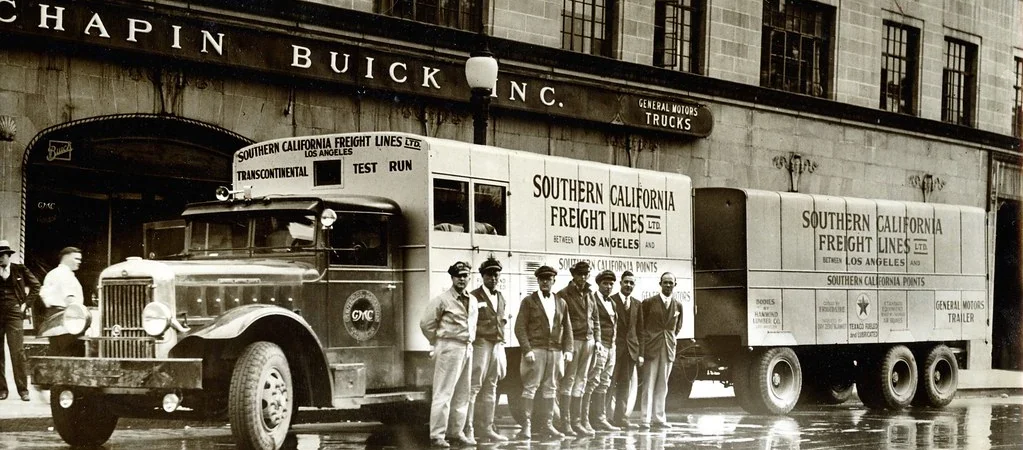
Photo: rich701 via Openverse (CC BY 2.0)