How the Fed’s Rate Hike to 3.75%–4% Affects Your Credit Cards and Borrowing Costs
In September 2026, the Federal Reserve raised its benchmark interest rate to a target range of 3.75%–4.00% — its first increase since 2023 — citing a need to fight rising inflation. If you carry a credit card balance, have a variable-rate loan, or were planning to borrow for a car or a home, this move changes the math on everything you owe. Here’s exactly how a Fed rate hike touches your credit cards and loans, and what you can do about it now.
Credit card APRs are directly tied to the Fed’s rate
Most credit cards charge variable interest rates built on a base index (like the prime rate) that moves with the Fed’s target. When the Fed raises rates by a quarter point, card APRs typically rise by the same amount. On a balance of $5,000 at roughly 24% APR, a 0.25% increase adds about a dollar or two a month at first — but it also means every payment you make goes slightly more toward interest and slightly less toward principal.
The compounding effect matters more than the headline number. Higher APRs slow down your payoff progress and make the “minimum payment trap” even more expensive. If you carried a balance through this hike, your debt just got slightly more expensive and will stay that way until you pay it off or rates fall.
Which loans feel it the most?
- Variable-rate personal loans and HELOCs — adjust quickly and move almost in lockstep with the Fed’s rate.
- Adjustable-rate mortgages (ARMs) — reset on a schedule; a higher index rate raises future resets.
- Auto loans and fixed-rate personal loans — your existing rate is locked, but new loans are priced against higher rates, so new borrowers pay more.
- Federal student loans (new) — rates reset yearly based on market conditions; higher prevailing rates push new originations up.
What the hike means if you’re about to borrow
New borrowers are the biggest losers of a rate increase. If you’re shopping for a car, a personal loan, or considering a home improvement loan, the rates you’re quoted are moving up as the Fed’s target rises. This is a good moment to:
- Lock in a fixed rate now before any further hikes.
- Shop aggressively — rates vary widely between lenders, and “pre-approved” offers are often beatable.
- Borrow less where possible — a slightly smaller loan at a slightly higher rate keeps your payment manageable.
- Improve your credit score — the best rates go to borrowers with FICO scores in the top tier; even 30–50 points can move your APR meaningfully.
Should you refinance right now?
Refinancing still makes sense if you can land a significantly lower rate than your current one — for example, moving credit card debt to a 0% balance transfer card or refinancing a high-rate variable loan into a fixed one. But with rates rising, the window of opportunity narrows. If a fixed-rate refi or a balance transfer saves you a meaningful amount after fees, act sooner rather than waiting for rates to fall, because they may not fall anytime soon.
Your 5-step protective checklist
- Pay down variable-rate card balances aggressively — the highest-APR debt first.
- Call your card issuer and ask for a lower APR or a hardship/balance-transfer option.
- Avoid new high-rate borrowing unless truly urgent.
- Keep good credit — pay on time and keep utilization low so you qualify for the best rates.
- Lock fixed rates if you’re about to borrow or refinance.
How a quarter point changes your monthly payments
It helps to see the real dollar impact of a 0.25% rate increase on a common loan size. On a $10,000 personal loan at 9% over 5 years, a quarter-point rise adds only a few dollars to your monthly payment — noticeable but not catastrophic. The bigger effect shows up in two places: the lifetime interest on a large loan, and the behavior it triggers.
- A $300,000 30-year mortgage moving from 6.5% to 6.75% raises the monthly payment by roughly $45–$50 and adds tens of thousands of dollars in total interest over the life of the loan.
- A $25,000 auto loan on a 5-year term at 7% vs. 7.25% costs only about $4 more a month — modest, but it emphasizes why shopping for the lowest rate matters more than ever in a rising environment.
- Credit card balances are where the hike bites hardest, because 20%+ APRs compound relentlessly. A $5,000 balance at 24% accrues more interest every month as rates rise.
The takeaway: single rate hikes are small in isolation, but they compound. Each quarter-point move pushes new borrowers up the rate ladder, and if you’re carrying balances, the cost of delay grows. Acting to reduce debt or lock in a rate now compounds in your favor the same way rates compound against you.
The emotional trap of “low monthly payments”
When rates rise, lenders lean into the marketing angle that “for only $30 more a month” you can finance something bigger. That framing hides the real cost. The right question isn’t whether you can afford the monthly payment — it’s whether you can afford the total cost and still reach your savings goals. In a rising-rate market, stretching for the biggest car payment or the largest home you can “afford” on paper is exactly how households end up rate-sensitive and over-leveraged when the next hike lands.
Instead, build in a buffer. Aim to borrow below your maximum pre-approved amount, keep your debt-to-income ratio comfortable, and leave room in your budget for the savings and investments that protect you when rates (and inflation) move against you.
Frequently asked questions
Do all credit card rates rise with the Fed?
Most variable-rate cards rise within a billing cycle or two of a Fed hike, because they’re indexed to the prime rate. Fixed-rate cards are less affected, but they’re rarer than people think.
Could my car or home loan rate change?
If you already have a fixed-rate loan, no. If you’re applying new or have a variable-rate/ARM, yes — new loans are priced higher and ARMs adjust on their schedule.
Is now a bad time for a personal loan?
Not necessarily — personal loans are still widely available, and fixed rates protect you from future hikes. Just shop around and borrow only what you need.
The bottom line
The Fed’s hike to 3.75%–4.00% makes nearly all variable-rate borrowing more expensive and pushes up the cost of new credit. The smartest responses are simple: pay down high-interest card balances, shop hard and lock fixed rates if you must borrow, keep your credit strong, and avoid unnecessary new debt. Rates may rise further, so the people who act now — by reducing debt and locking in terms — will be the ones who feel this inflation fight the least.
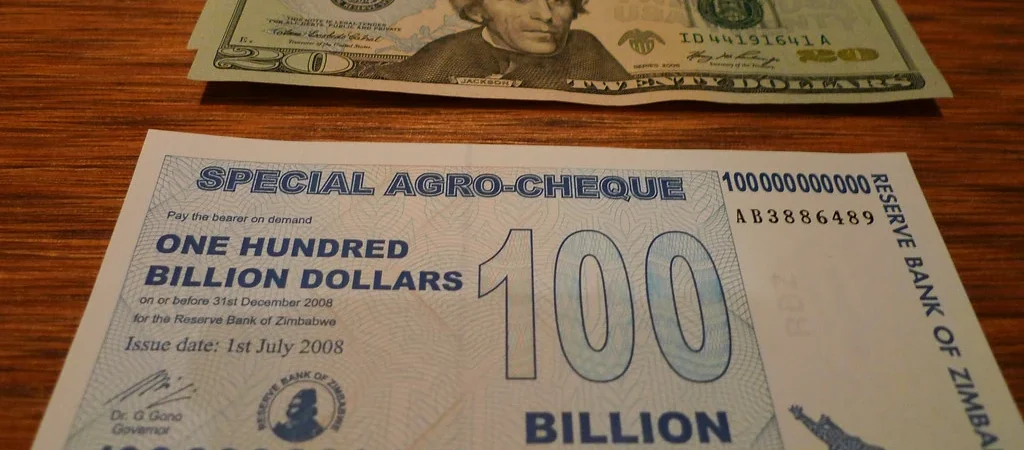
Photo: Erik Charlton via Openverse (CC BY 2.0)