Earthquake Disaster Loans in 2026: SBA, FEMA and How to Get Cash Fast After a Quake
When the ground stops shaking, the second disaster begins: money. Rental deposits, repairs, temporary housing, and weeks of lost income arrive all at once. That’s why earthquake disaster loans and related assistance are among the most-searched recovery topics after any quake. Knowing the correct order of operations before disaster hits — who pays first, which loan is cheapest, and what speeds things up — can save you both time and thousands of dollars.
The single most important thing to understand: federal disaster help is not one program, and eligibility doesn’t require you to pick “a loan.” Insurance, FEMA grants, and SBA disaster loans are sequential layers, and you apply to them in a specific order.
Layer 1: Insurance Comes First
Before any government program, your insurance is your first payer for covered damage. File your claim as soon as it’s safe, document everything with photos, and request an advance on your claim if you need cash quickly. Even if you have coverage, most policies carry deductibles that government programs will not simply erase — so you need a plan for that gap. Review what your policy covers well before a quake, because standard homeowners insurance typically doesn’t cover earthquake damage without separate endorsement.
Layer 2: FEMA Grants (Not Loans)
After a presidentially declared disaster, FEMA may provide grants for temporary housing, essential repairs to make a home safe and livable, and certain other needs. Crucially, FEMA grants generally do not need to be repaid. They are capped and cover only essential needs, not complete rebuilding, and they’re meant to bridge you to insurance and loans. Applying for FEMA assistance does not disqualify you from applying for an SBA loan — in fact, the SBA application is often part of the same process.
Layer 3: SBA Disaster Loans — the Big Recovery Tool
For homeowners and renters, the U.S. Small Business Administration’s disaster loan program is typically the largest and cheapest source of uninsured recovery money. Key facts:
- Very low fixed rates. SBA physical disaster loans for homeowners have carried historically low fixed rates — commonly cited around 2.7%–2.9% for homeowners and renters in recent events, with slightly higher (but still capped) rates for businesses.
- Long terms. Repayment can stretch up to 30 years, keeping payments affordable.
- Deferred payments. The SBA typically defers the first principal and interest payment for several months while you get back on your feet.
- Covers more than direct damage. Personal property, vehicles, and essential needs can be factored in.
Because the rate is so low, the SBA disaster loan is almost always a better deal than a personal loan or a credit card in the recovery window. Compare it against your other borrowing options and you’ll see why it’s typically the first loan source to pursue.
How to Get Cash Fast After the Quake
Speed matters when your home is damaged. A practical order of operations:
- Document the damage with photos and video before any clean-up, and file your insurance claim immediately.
- Apply for FEMA assistance right away if the disaster is declared — registration opens quickly and grant money is processed on a rolling basis.
- Complete the SBA loan application even if you’re unsure you’ll accept the loan. Registering keeps your options open and avoids missing deadlines.
- Ask insurance for an advance on your covered claim to cover urgent expenses while the full claim processes.
- Use foundation grants and nonprofit aid available in major disasters for unmet needs.
Keep all receipts. Recovery programs reimburse and loan underwriting needs documentation, so a simple folder of expenses saves enormous time.
One more caution: disasters attract scams. Legitimate disaster assistance is free to apply for — no one from FEMA or the SBA will ask you to pay an application fee or share a password or Social Security number by phone. Apply only through official channels, and be wary of contractors demanding large upfront payments. Reporting suspicious offers to authorities protects both you and your neighbors.
Which Costs the SBA Loan Can Cover That You Might Forget
Beyond repairing walls, SBA disaster loans can help with: temporary quarters during repairs (above what insurance covers), replacing damaged vehicles and personal property, moving and storage costs, and, in some cases, mitigation improvements that reduce future damage. It’s worth itemizing every quake-related expense rather than assuming only structural damage counts.
FAQ
Are FEMA grants loans I have to repay?
Generally no. FEMA grants for temporary housing and essential repairs typically do not need to be repaid. They’re capped and cover only essential needs. The SBA disaster loan is the larger, repayable source of recovery funding.
What interest rate is the SBA earthquake loan?
The exact rate is set per disaster, but SBA physical disaster loans for homeowners and renters have run at very low fixed rates — commonly near the 2.7%–2.9% range in recent events, with businesses and nonprofits slightly higher. Rates are capped by statute. Confirm current terms when you apply.
Can I get both FEMA assistance and an SBA loan?
Yes. Applying for FEMA assistance does not prevent you from getting an SBA loan, and they often work together — FEMA covers urgent essential needs while the SBA loan covers the broader, uninsured recovery costs. Complete both applications to keep all doors open.
What if I’m not in a presidentially declared disaster?
Some assistance, including SBA disaster loans, can be available outside a presidential declaration depending on the event. Check the SBA disaster-assistance site and your state’s emergency management office to see what applies to your situation.
The Bottom Line
Recovering after an earthquake is a money problem with a known solution: insurance first, FEMA grants second, and the low-interest SBA disaster loan as the core recovery tool. Apply in the right order, document everything, and compare the SBA’s rate against any alternative before you reach for more expensive borrowing. A little preparation and the correct sequence can turn a financially crushing event into a recoverable one.
This article is for educational purposes and is not financial, legal, or insurance advice. Consult a licensed professional and the official agencies for your specific situation.
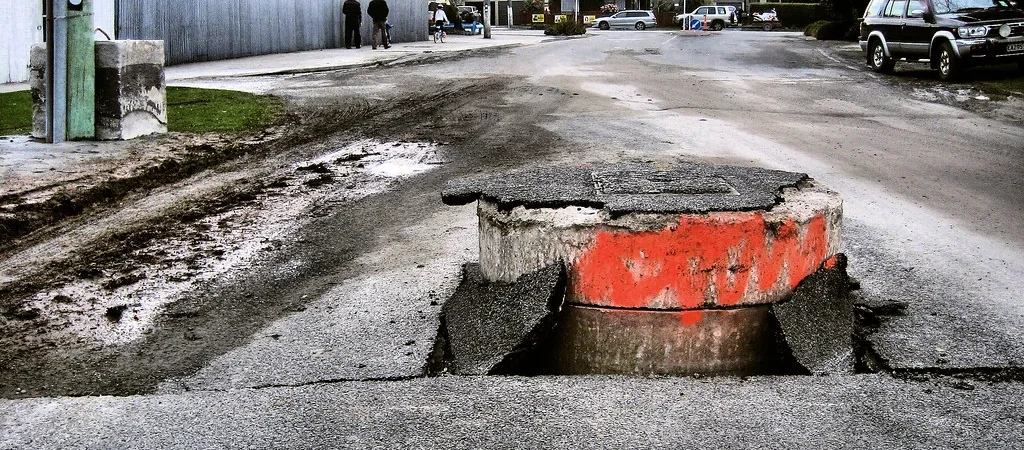
Photo: martinluff via Openverse (CC BY-SA 2.0)