Casino Credit and Markers: How It Works, the Risks, and Safer Ways to Borrow
Inside casinos, a “credit line” works differently than a bank loan — and far too many gamblers learn the difference the hard way. Casino credit, often called a marker, is essentially a short-term, interest-free loan the casino extends to a player, tied to the guest’s bank account or checking account rather than a credit card or traditional loan contract. It lets you play without carrying cash, but it comes with strict repayment deadlines, automatic bank drafts, and real legal consequences if you don’t pay on time.
Understanding exactly how casino credit works — and the risks it carries — is essential before you ever sign a marker. This guide explains the mechanics, what can go wrong, and the safer borrowing alternatives you should consider instead.
What Is a Casino Marker (Credit Line)?
A marker is casino credit issued to a player after the house reviews the guest’s banking history and spending patterns. Casinos such as Penn Entertainment describe it as a short-term, interest-free loan that you repay before leaving, or within a set window afterward. Instead of paying cash at the table, you sign a marker for the amount you want, and the casino treats it like a check drawn against your bank account.
Importantly, casino credit is not ordinary debt extended to everyone. Approval depends on a credit and bank-account review, and the amount available to you is based on that assessment. It looks convenient, but the terms are designed around the casino’s interests, not yours.
How Markers Are Repaid
When you take a marker, the casino establishes a deposit timeframe and expects you to redeem it — meaning pay it back — within about 30 days or less. If you settle the debt before leaving (either from winnings or cash), the marker is cancelled. If you do not pay by the deadline, the casino can submit the marker to your bank for collection, essentially treating it as a check presented for payment.
What happens if you don’t repay at all? The casino will first send you a letter asking you to settle, as casino-debt attorneys explain. If you ignore it, the casino can deposit the marker, and the debt becomes a collectible obligation that can affect your banking relationship and, in some cases, lead to legal action.
The Real Risks of Using Casino Credit
Many players treat a marker as “free money” because it carries no interest for a short window. That framing hides several serious risks:
- Chip-cashing / double-debt trap: Players sometimes cash out chips as “new” cash while also holding an open marker, effectively borrowing twice against the same session.
- Automatic bank drafts: Because the marker is tied to your checking account, an unpaid marker can trigger a bank draft without your active consent.
- Losing while still owing: You can lose the money you took as credit and still owe the full marker amount — a double loss.
- Credit and legal impact: Unpaid markers can be reported, damage your banking/credit standing, and escalate to collection or legal proceedings.
- No cooling-off period: Gambling debts do not come with the consumer protections and grace periods that loans and credit cards carry.
Casino Credit vs. Personal Loans
If you genuinely need money, a casino marker is one of the worst ways to get it. Compare it to a conventional personal loan from a bank or reputable online lender:
- Purpose: A personal loan funds a defined need (bill, repair, consolidation). A marker funds gambling — an expense with negative expected value.
- Repayment: Personal loans have fixed, scheduled payments; markers demand full repayment in ~30 days with automatic drafts.
- Debt safety: Personal loans are regulated with disclosures and consumer protections; markers are largely outside that framework.
- Default risk: Missing a personal loan hurts your credit; missing a marker can trigger immediate bank collection and legal escalation.
In short: borrow from a proper lender for real needs, never to gamble.
Smarter, Safer Alternatives to Gambling on Credit
- Use only money you can afford to lose, in cash, upfront. Set a strict loss limit before you walk in and stop when you hit it.
- Leave credit cards at home. Using credit cards at ATMs to chase losses compounds the damage with interest and fees.
- If you need money for a real expense, use a personal loan or credit card for that expense — not for gambling.
- If gambling is becoming a problem, seek free help. The National Council on Problem Gambling offers confidential resources and a helpline (1-800-GAMBLER).
Frequently Asked Questions
Is casino credit a real loan?
Yes. A marker is a short-term, interest-free loan tied to your checking account. The casino expects repayment, usually within 30 days, and can draft your account if you don’t pay.
What happens if I don’t pay a casino marker?
The casino will request payment, then can submit the marker to your bank for collection. Unpaid markers can become a debt with potential legal and collection consequences.
Is casino credit interest-free?
For the short repayment window, markers generally carry no interest. But the risk is that you lose the borrowed money and still owe the full amount — so the effective cost can be very high.
Should I use a casino credit line to gamble?
Generally no. Gambling on borrowed money doubles your risk. If you gamble, use cash you can afford to lose; if you need to borrow, use a regulated personal loan for a genuine need.
The Bottom Line
Casino credit might feel like a free, convenient way to keep playing, but it is a loan with a punishing repayment structure and none of the consumer protections you get from a normal lender. A marker ties debt directly to your bank account, demands repayment within about 30 days, and can escalate quickly if unpaid. Before you ever sign one, ask yourself whether you would take a high-risk, short-term loan to gamble — if the answer is no, leave the markers at the cage.
This article is for general information only and is not financial or legal advice. If gambling is harming you or someone you know, call 1-800-GAMBLER (National Council on Problem Gambling) for confidential help.
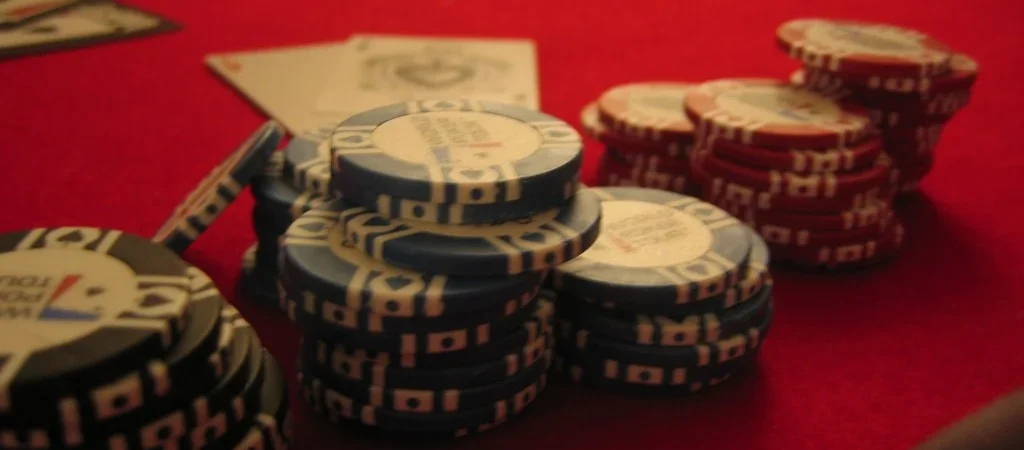
Photo: chrischappelear via Openverse (CC BY 2.0)