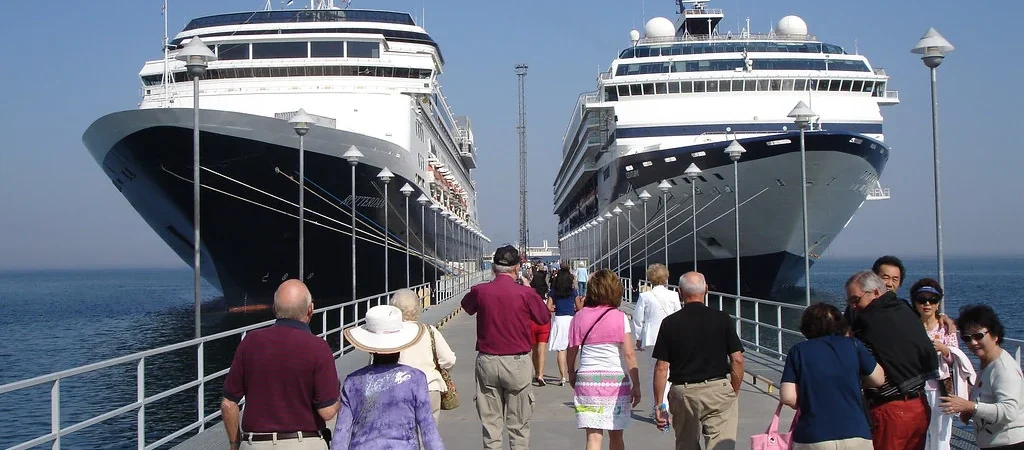
Best Credit Cards for a Carnival Cruise in 2026: Earn, Protect, Save
Planning a Carnival cruise in 2026 is expensive — fares on ships like Carnival Panorama can start near $183–$310 per person but climb fast with gratuities (about $16–$18 per person per day), drinks packages, excursions, and Wi-Fi. With a multi-thousand-dollar vacation on the line, the credit card you use can save you hundreds of dollars in rewards, travel protections, and interest-free financing. This guide walks through the best credit-card strategies for booking and sailing a Carnival cruise in 2026.
Whether you are buying through Carnival directly or using a travel agency, the right card turns a cruise from a big expense into a source of cash back, points, and valuable insurance — with a 0% APR offer if you need to spread the cost out.
Travel Rewards Cards: Points for the Big Booking
Travel rewards cards are the natural fit for a cruise because they earn premium points on travel purchases, including cruise lines, and many offer statement credits or travel protections. A card earning 3–5 points per dollar on travel turns a $3,000 cruise into $9,000–$15,000 points worth tens of dollars (and often more if you use them for statement credits or future travel). Premium travel cards may carry annual fees, so weigh the fee against the rewards and perks you will actually use.
Cash-Back Cards: Simple, No Annual Fee
If you want the rewards to be uncomplicated and predictable, a flat 2% cash-back card on the entire cruise purchase is hard to beat — no annual fee, no category calendars, and a $3,000 cruise returns a clean $60. Some cash-back cards also earn elevated rates in rotating categories like travel or online shopping, which can boost the return further if the cruise booking lands in the right quarter. For most cruisers who pay in full, cash back is the most reliable value.
Cards With a 0% Intro APR: Spread Out an Expensive Vacation
A cruise is a big lump-sum expense, and a card with a 0% intro APR on purchases lets you pay it off over 12–21 months with no interest. This is a smart alternative to Carnival’s payment plans or cruise-line financing, because you control the payment schedule and avoid interest if you clear the balance before the intro period ends. The key is discipline: mark the end date, set a fixed monthly payment, and finish before the intro APR expires.
Sign-Up Bonuses: The Fastest Path to a Free Flight or Credit
If your cruise is one of several planned purchases, a card with a substantial sign-up bonus can pay for a big piece of the trip. Many premium travel cards offer bonuses worth $400–$750 (or the equivalent in points) after hitting a minimum spend in the first few months. Using the card for the cruise plus other planned expenses to reach that threshold effectively discounts the vacation by the bonus amount.
Travel Insurance, Trip Cancellation, and Purchase Protection
Cruises are one of the few purchases where card travel insurance really earns its keep. Many premium cards include trip cancellation/interruption insurance that can reimburse you if illness, weather, or other covered events force you to cancel, plus baggage delay and rental car protections. Cards with purchase protection also shield you if luggage, a camera, or other trip gear is stolen or damaged. Booking with a card that carries these benefits can save you the cost of a separate travel insurance policy.
Cards Without Foreign Transaction Fees
Cruises often visit foreign ports, and every swipe in a foreign currency can add a 3% foreign transaction fee if your card charges one. On international cruise itineraries, that penalty hits not just port purchases but sometimes shipboard charges billed in a foreign currency. Choosing a card with no foreign transaction fees means the extra 3% on excursions, souvenirs, and dining stays in your pocket instead of your issuer’s. This benefit costs you nothing and is especially valuable on the international portions of a Carnival sailing.
How to Pay for the Cruise Onboard
Once on the ship, your onboard spending is billed to a card linked to your account. Use the same rewards card for onshore and onboard purchases to keep earning — but avoid cash advances at the casino, which carry fees and immediate interest. A card with no foreign transaction fees also helps if your itinerary includes ports outside the U.S., so foreign-currency charges do not add a 3% penalty on top of everything else.
Frequently Asked Questions
Do credit card travel rewards work for cruises?
Yes. Most travel cards classify cruise-line purchases as travel and earn bonus rewards, and many offer statement credits or redemption options that cut the cost.
Can I use a 0% APR card for a cruise?
Yes, if your card offers a 0% intro APR on purchases. Pay the balance off before the intro period ends to avoid interest.
Does my credit card cover trip cancellation on a cruise?
Many premium travel cards include trip cancellation/interruption insurance for covered reasons. Check your card’s benefits guide before booking.
Should I book with Carnival’s payment plan or a 0% APR card?
A 0% APR card often gives you more control and no interest, but confirm your card qualifies and that you will finish repayment on time.
Are foreign transaction fees a concern on a cruise?
Yes, if your itinerary has foreign ports. Use a card with no foreign transaction fees to avoid the typical 3% surcharge.
Bottom Line
A 2026 Carnival cruise is a big enough purchase to reward a deliberate credit-card strategy. Use a travel rewards card for bonus points and trip insurance, a flat 2% cash-back card for simple value, a 0% intro APR card to spread the cost, and a no-foreign-transaction-fee card onboard. Booking with the right card can save you real money and protect your vacation. For more card strategies, browse our credit card guides.
Read More Articles




Photo: jimg944 via Openverse (CC BY 2.0)