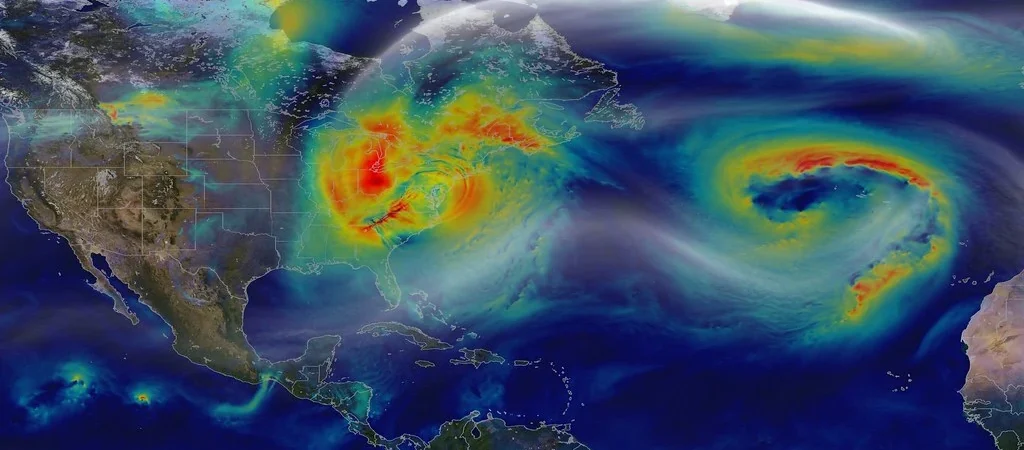
Hurricane and Storm Disaster Loans: SBA, FEMA and Your Options in 2026
When a hurricane or severe storm makes landfall, searches for “disaster loans” and “emergency financial help” spike dramatically. If you’ve been hit — or you’re watching a major storm on the radar — you need a clear, calm map of the financial options available before making any rushed decisions.
Here is the honest truth: disaster recovery money has an order of operations, and applying to the wrong program first can delay your relief. This guide walks through the primary sources of disaster financing for homeowners, renters, and small businesses in 2026.
Step 1: Insurance Claims Come First
Before any loan, pursue every dollar owed by insurance. Your homeowners policy, flood insurance, and any separate policies are the first and primary source of recovery money. File claims promptly, document all damage with photos and receipts, and follow up consistently.
Many people are disappointed to learn that standard homeowners policies do not cover flood or storm-surge damage — that requires a separate flood policy. If you don’t have flood insurance, you’ll be relying on the disaster programs below, which underscores why the federal flood program is worth understanding even before a storm hits.
Step 2: FEMA Grants for Unmet Needs
FEMA provides grants (money you don’t repay) for basic, urgent needs that insurance doesn’t cover — things like a place to stay, critical home repairs, and essential personal property. FEMA assistance is not a loan and does not need to be repaid. It’s designed to get you through the immediate emergency, not to rebuild your entire home.
Registering with FEMA is usually a prerequisite for other federal disaster help, so do it early. Deadlines apply after a federal disaster declaration, so don’t delay.
Step 3: SBA Disaster Loans — the Workhorse
If your area gets a federal disaster declaration, the SBA Disaster Loan Program is the most important source of larger recovery money. Despite the “SBA” name, these loans aren’t only for businesses — they’re available to homeowners, renters, and nonprofits too.
- Homeowners and renters can borrow to repair or replace a primary residence and personal property.
- Businesses and nonprofits can borrow for physical damage and, separately, economic injury (lost revenue).
- Low, fixed rates. SBA disaster loans have historically carried below-market, fixed interest rates (often in the low single digits), with terms that can stretch to 30 years.
Because the rates are far better than almost any private loan, the SBA loan should be considered before personal loans or credit cards. Get your application in even if you’re not sure you qualify — you can lower or decline the amount later.
Step 4: Private Options as a Last Resort
After insurance, FEMA, and SBA funding, some people still have a gap to close. Private financing is an option, but it should be a deliberate, last resort decision given the costs:
- Personal loans can be approved quickly but carry higher rates than SBA disaster loans and are not disaster-specific.
- Credit cards and HELOCs are flexible but typically expensive — credit card APRs and home-equity rates are far above SBA’s.
- Contractor financing is sometimes offered, but compare its rate carefully against other options; it’s easy to overpay when you’re in a hurry.
Before signing any high-cost private loan, make sure you’ve exhausted the federal programs first — a common mistake is rushing into an expensive card or personal loan while a low-rate SBA application is still pending.
How to Organize Your Recovery Money
Disaster recovery is stressful, and the money comes in pieces. A few principles keep you out of trouble:
- Create a spending priority list — safe housing, utilities, essential repairs, then everything else.
- Keep every receipt. Both FEMA and SBA require documentation, and you’re legally required to track how disaster loan funds are used.
- Don’t mix disaster funds with your normal budget. A separate account keeps it clean and auditable.
- Beware scams. Legitimate disaster programs never demand upfront fees. Verify any “FEMA” or “SBA” representative before sharing information.
FAQ
Do you have to repay FEMA disaster assistance?
FEMA individual assistance grants generally do not need to be repaid. However, they’re for urgent, unmet needs — not full reconstruction — and you must document how you use the funds. SBA disaster loans, by contrast, do need to be repaid.
Can I get an SBA loan if I’m a renter, not a homeowner?
Yes. Renters can apply for SBA personal-property loans to replace essential belongings damaged in a declared disaster. The program isn’t only for business owners.
Should I use a credit card for disaster repairs?
Only as a last resort. Card APRs are far higher than SBA disaster loan rates. Exhaust FEMA grants and SBA loans first, and use private credit only to cover a small, urgent gap you can pay off quickly.
The Bottom Line
Disaster recovery financing follows a clear order: insurance first, then FEMA grants, then SBA disaster loans, then private options last. Follow that sequence, keep your documentation organized, and avoid high-cost credit while lower-rate federal help is available or pending.
If disaster ever hits, the financial discipline you build now — a funded emergency readiness plan and knowledge of the programs — will be worth far more than any sudden loan. Plan ahead so you never have to make a panicked financial decision in a crisis.
This article is for educational purposes and is not financial or legal advice. Program availability and terms depend on disaster declarations and your individual situation.
Read More Articles



Photo: NASA Goddard Photo and Video via Openverse/NASA (CC BY)