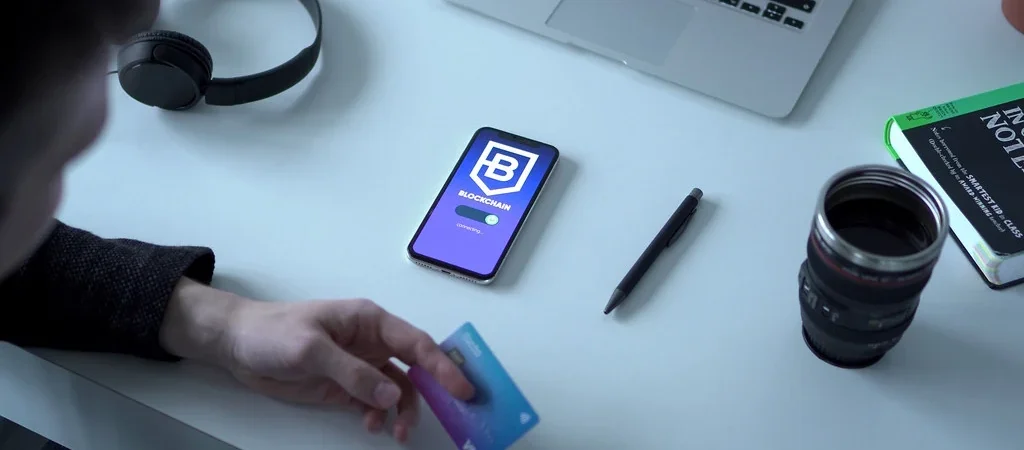
Can You Buy Bitcoin With a Credit Card? The Fees, Cash Advances, and Smarter Alternatives
Bitcoin is climbing back above $80,000, and as the price rises, so does the temptation to buy in fast — including with a credit card. It’s possible, and plenty of exchanges let you do it. But if you buy crypto with a credit card, you need to understand that credit card issuers typically treat it as a cash advance, and cash advances are among the most expensive ways to borrow money. Here’s the real cost and the smarter path.
Yes, you can buy Bitcoin with a credit card — but at a price
Most major crypto exchanges accept credit cards as a payment method. The transaction usually goes through, and you get the crypto instantly. The problem isn’t whether it works — it’s how your card issuer classifies it.
The cash advance catch
In most cases, buying cryptocurrency with a credit card is treated as a cash advance. That triggers a cascade of costs:
- Cash advance APR — usually far higher than your purchase APR (often 22-29%), and it starts accruing immediately, with no grace period.
- Cash advance fee — a flat fee, commonly 3% to 5% of the transaction, sometimes with a minimum ($5-$10).
- No grace period — interest starts the day you buy, not the next statement cycle.
On a $2,000 crypto purchase that can mean $60-$100-plus in fees and immediate interest before you’ve even held the coin for a day. If the price moves against you, you’re now paying expensive interest on top of a losing position.
Rough cost math example
Say you put $1,000 of Bitcoin on a credit card:
- Cash advance fee at 4%: $40.
- Card issuer treats it as a cash advance at 26% APR
- Interest accrues immediately, around $0.71/day (that’s ~$21/month) if you don’t pay off the whole balance.
Within a month you might be down $60+ in fees and interest on a $1,000 position, before considering any crypto price movement. That’s a heavy headwind on top of an already volatile asset.
Why lenders generally don’t let crypto ride as a “purchase”
Card issuers treat crypto as cash partly because it’s highly volatile and can be moved quickly. That risk is exactly why they route it through the costlier cash-advance bucket rather than the ordinary purchase bucket. It’s not a quirk — it’s deliberate pricing for risk.
Smarter ways to buy Bitcoin
If you want Bitcoin exposure, you don’t have to take a card-advance hit:
- Bank transfer / ACH — fund your exchange from your checking account. Usually free or cheap, and no cash-advance interest.
- Debit card — treated as cash you already have; no interest, just possible exchange fees (and you can only spend what you own).
- Buy the crypto-related securities in a brokerage account — no cash advance, and you can buy fractional amounts.
- Dollar-cost average with funds you genuinely have, so you’re never forcing a leveraged crypto bet.
When (if ever) a credit card makes sense
There are practically no cases where a credit card is the best way to buy crypto. If you are determined to use one, do it only with an amount you can repay in full before the cash-advance interest compounds — which basically means the same day or next statement — and only for a small amount, purely to earn a sign-up bonus if you were already planning to hit the spend threshold. Never go into credit-card debt to speculate.
Frequently asked questions
Is buying crypto with a credit card always a cash advance?
Usually, yes. Some issuers treat it that way by policy. Read your card agreement or call your issuer before you assume otherwise.
What’s the cheapest way to buy Bitcoin?
Bank ACH transfer to an exchange, then setting your own average-cost schedule, typically avoids cash-advance fees and immediate interest.
Can using a credit card for crypto hurt my credit score?
Not directly, but racking up a cash advance raises your balance and utilization — and if you end up carrying expensive debt, it can damage your finances and your score over time.
The bottom line
Buying Bitcoin with a credit card is almost always the most expensive way to do it: high cash-advance APR, a 3-5% fee, and interest that starts immediately. If you want crypto exposure, fund your exchange from a bank account, invest only what you can afford to lose, and keep credit cards for purchases you’ll repay — not for speculating on the next leg of a $80,000 coin.